Imagine stepping into a home that perfectly balances modern elegance and timeless comfort – a sanctuary where every detail whispers luxury and every corner feels like it’s been crafted just for you. Welcome to the thrilling world of new homes, where the market is buzzing with opportunities to discover your dream property. Navigating this landscape, brimming with innovative designs and smart technologies, is nothing short of an adventure.
Today’s real estate landscape is an ever-evolving tapestry woven with threads of opportunity. Whether you’re a seasoned buyer or taking your first steps into homeownership, understanding market trends and learning to decode the language of real estate can transform your journey into a rewarding experience. Let us guide you through the maze of options, helping to turn the concept of ‘New Homes Near Me’ into the reality of finding your dream property.
Understanding the Real Estate Market Today
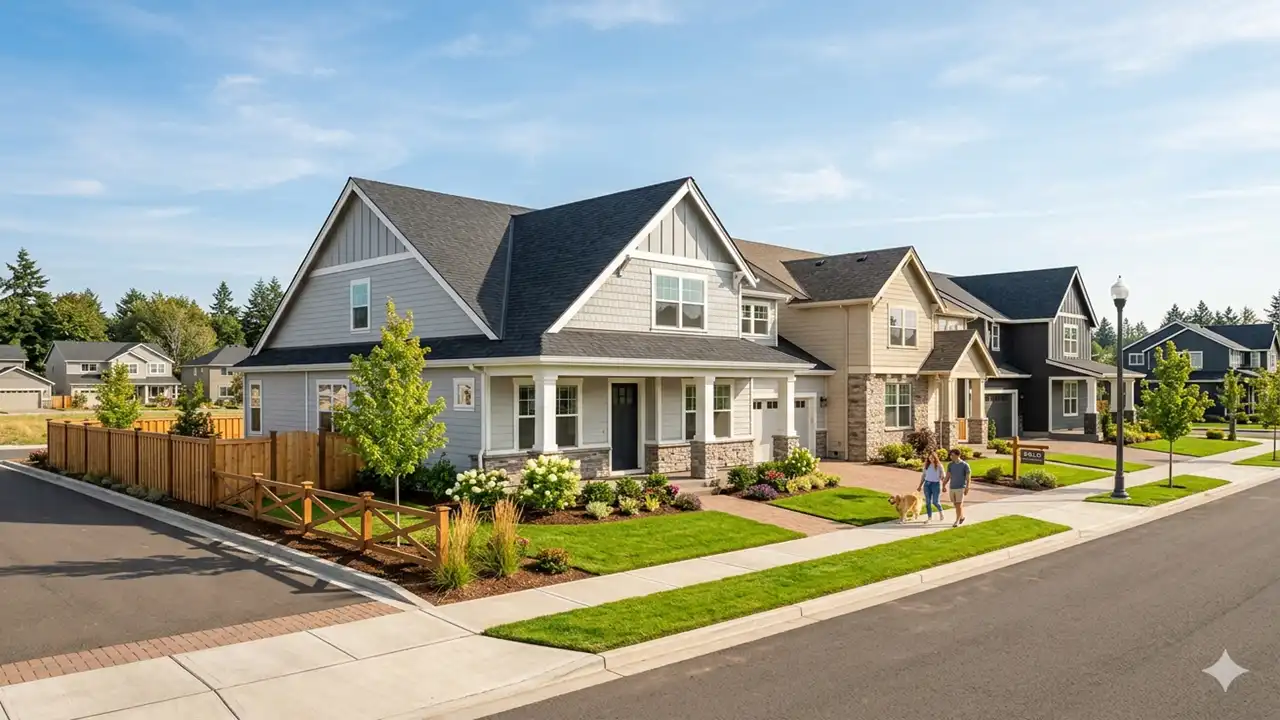
The real estate market is a dynamic entity, constantly shifting and evolving in response to various economic and societal factors. Navigating this landscape requires an understanding of recent trends, demand influences, and financial considerations.
As potential homeowners embark on the journey to find their dream property, it’s essential to grasp the current dynamics of the market. This includes recognizing key patterns, evaluating economic influences, and considering financial tools that affect purchasing decisions.
Current Trends in New Homes
In recent years, the real estate market has experienced significant fluctuations, particularly in the sector of new homes. One of the most notable trends is the increasing demand for sustainable and energy-efficient homes. Buyers are becoming more conscious of their carbon footprint and eager to invest in properties that offer long-term savings on utilities.
Furthermore, the rise of remote work has shifted the desirability from urban centers to suburban or rural areas, where new homes with more space and lower prices await. These trends reflect a shift in lifestyle preferences, emphasizing comfort, affordability, and sustainability.
Factors Influencing Demand for New Homes
Several factors are driving the demand for new homes. Economic stability, employment rates, and population growth are pivotal elements affecting market conditions. Additionally, consumer preferences are leaning towards homes that offer more amenities and flexibility, such as smart home technology and adaptable living spaces.
Another critical influence is government policies that promote homeownership, providing incentives like tax credits or subsidies, which make purchasing a new home more attainable for first-time buyers.
The Role of Interest Rates in Home Purchases
Interest rates play a crucial role in the real estate market, directly impacting the affordability of new homes. Lower interest rates reduce the cost of borrowing, thus lowering monthly mortgage payments and making homeownership more accessible. Conversely, rising interest rates can deter potential buyers due to increased financial burdens.
Current economic policies and market conditions suggest that interest rates may continue to fluctuate, so staying informed is imperative for making sound purchasing decisions.
Timeline of Recent Changes in the Real Estate Market
To better understand how the real estate market has evolved recently, it is helpful to look at a timeline of major changes:
| Year | Market Change |
|---|---|
| 2020 | Initial pandemic impact saw a decline in sales, followed by a surge in demand for suburban homes as remote work became prevalent. |
| 2021 | Record low interest rates fueled a home-buying frenzy, leading to rapid price increases across the nation. |
| 2022 | Supply chain disruptions and labor shortages slowed new home construction, impacting availability and prices. |
| 2023 | Stabilization efforts by the government introduced measures to cool the overheated market, with interest rates adjusted accordingly. |
“Understanding these trends and timelines is crucial for anyone looking to navigate the ever-changing real estate landscape effectively.”
Key Features to Look for in a New Home
In the ever-evolving world of real estate, discovering a home that meets all your needs can feel like finding a needle in a haystack. Modern buyers, however, have a keen eye for specific features that cater to both functionality and luxury.
Let’s delve into the must-have attributes that today’s homebuyers are fervently seeking to ensure they not only find a house but truly a home.
Energy Efficiency as a Decisive Factor
With a growing consciousness towards the environment, energy-efficient homes are more than just a trend—they’re a necessity. Buyers are increasingly prioritizing homes that promise lower utility bills and a reduced carbon footprint. Such homes often incorporate advanced insulation, solar panels, and high-efficiency HVAC systems.
The appeal of these homes lies not just in cost savings but also in their contribution to a sustainable lifestyle, making them a top choice for the eco-aware buyer.
Location and Community Perks
While the saying goes, “location, location, location,” the truth is today’s buyers are looking beyond just a great address. They desire vibrant communities equipped with excellent amenities that elevate their living experience.
When considering a location, factors such as proximity to work, school quality, and accessibility to leisure activities play a crucial role, adding intrinsic value to the property.
Innovative Home Technologies and Design Elements
Modern homes are increasingly adopting groundbreaking technologies and design features that enhance convenience and aesthetic appeal. The following innovative elements are gaining popularity among discerning buyers:
- Smart Home Systems: Automated lighting, security systems, and thermostats controllable via smartphone.
- Open Floor Plans: Spaces designed for seamless living, promoting social interaction and flexibility.
- Luxury Finishes: High-quality materials like quartz countertops and hardwood floors for an upscale look.
- Outdoor Living Spaces: Patios and backyards designed for relaxation and entertainment.
“A home is more than a roof over your head; it’s a reflection of your lifestyle and values.”
As the real estate market continues to adapt to the needs of modern buyers, these features represent the new standard of desirable living.
Navigating Financial Considerations
Embarking on the journey to find your dream home involves more than just envisioning the perfect property. It’s crucial to understand the financial landscape that accompanies such a momentous decision.
From choosing the right mortgage to understanding how your credit score affects your buying power, navigating these financial elements will empower you to make informed decisions.
Exploring Financing Options
Purchasing a new home is a significant financial commitment, and understanding the variety of financing options available can make a huge difference. Traditional loans, FHA loans, and VA loans are popular choices, each offering unique benefits to cater to different needs. Identifying the right type of mortgage can save you money and align with your long-term financial goals.
Fixed-Rate vs. Adjustable-Rate Mortgages
When considering mortgages, a common dilemma is choosing between a fixed-rate and an adjustable-rate mortgage (ARM). Each has its own set of advantages and challenges:
| Feature | Fixed-Rate Mortgage | Adjustable-Rate Mortgage (ARM) |
|---|---|---|
| Interest Rate | Stays the same throughout the loan term | Fluctuates based on market conditions after an initial fixed period |
| Monthly Payment | Consistent and predictable | Can vary, leading to potential payment increases |
| Ideal For | Long-term homeowners | Those planning to move or refinance before the rate adjusts |
Creating a Pragmatic Budget Plan
Before falling in love with a property, it’s essential to establish a realistic budget. Start by evaluating your current financial status, including income, expenses, and savings. Consider what monthly payments you can comfortably afford and remember to account for additional costs such as property taxes, insurance, and maintenance. A well-crafted budget not only guides your home search but also ensures long-term financial stability.
The Influence of Credit Scores
Your credit score plays a pivotal role in your home-buying journey, directly impacting your ability to secure a loan and the interest rates you’re offered.
“A high credit score can open doors to competitive mortgage rates, while a lower score might limit your options.”
It’s wise to review your credit report, address discrepancies, and take steps to improve your score before applying for a mortgage.
Evaluating New Home Neighborhoods
When searching for your dream property, the neighborhood is just as crucial as the home itself. A vibrant, safe, and well-connected community can elevate your living experience and property value significantly.
Understanding your future neighborhood is vital for making an informed decision. Here, we’ll dive into methods to evaluate neighborhoods effectively, focusing on safety, educational facilities, amenities, and transportation.
Researching Neighborhood Safety and Viability
Safety is a paramount concern for any homebuyer. Before committing, ensure the neighborhood aligns with your safety expectations. Begin by accessing local crime statistics through online databases or community reports. Engaging with current residents can provide authentic insights into the neighborhood’s day-to-day security.
Remember, a neighborhood’s viability is not just about safety. Consider economic growth indicators such as new business openings, infrastructure developments, and property price trends. These elements can signal a thriving community.
The Impact of Local School Districts on Property Values
Whether or not you have children, the quality of local schools can dramatically affect property values. Homes in districts with highly rated schools often command a premium price and have better resale value. Research school ratings via educational websites and visit schools to gauge the environment. A reputable school district is a hallmark of a desirable neighborhood.
Checklist of Desirable Amenities and Services
Proximity to amenities can significantly enhance your living experience. Here’s a checklist to guide your evaluation:
- Grocery stores and markets
- Healthcare facilities, including hospitals and clinics
- Parks, recreational areas, and fitness centers
- Entertainment venues like theaters, restaurants, and cafes
- Community centers and libraries
The presence of such amenities not only adds convenience but also boosts community interaction and property appeal.
Public Transportation and Neighborhood Desirability
Accessibility to public transportation is a significant factor for many homebuyers. Efficient transport links can reduce commuting time and increase your property’s attractiveness to potential future buyers. Consider the availability and frequency of buses, trains, and subway systems. Neighborhoods with robust public transport options are often sought after, offering convenience and connectivity.
Remember, “A well-connected community is a thriving community.”
The Home Buying Process Step-by-Step
Embarking on the journey of purchasing a new home can be as exciting as it is daunting. With a clear roadmap, you can navigate the process smoothly and confidently.
The home buying process involves several crucial steps, each designed to ensure you find the perfect fit for your lifestyle and budget. From the initial search to the final signatures, understanding each step will empower you to make informed decisions and seize opportunities in today’s dynamic market.
Understanding the Home Buying Timeline
Timing is everything when buying a home. Let’s break down the process into a streamlined timeline to help visualize your journey:
| Step | Description | Estimated Timeframe |
|---|---|---|
| Pre-Approval | Secure a mortgage pre-approval to understand your budget and strengthen your offer. | 1-2 weeks |
| Home Search | Engage with real estate agents and explore listings to find potential homes. | 1-2 months |
| Offer and Negotiation | Submit offers and negotiate terms with sellers to reach a mutually agreeable deal. | 1-2 weeks |
| Home Inspection | Conduct a thorough inspection to uncover any potential issues with the property. | 1 week |
| Appraisal and Closing | Secure an appraisal and finalize all legal documents to close the sale. | 2-4 weeks |
Mastering Negotiations with Real Estate Agents and Sellers
Negotiating effectively can save you substantial amounts of money and secure favorable terms. Here’s how to engage in successful negotiations:
- Be well-informed about the current market conditions and comparable property prices.
- Communicate clearly with your agent about your needs and constraints.
- Show enthusiasm but remain willing to walk away if terms don’t meet your requirements.
- Consider including contingencies to protect your interests while remaining flexible.
-
“Remember, every seller is motivated by different factors; understanding these can provide leverage.”
Tips for Successful Home Inspections and Appraisals
Ensuring the property is in good condition is a critical step before finalizing your purchase. Here are some tips to make the most of your home inspections and appraisals:
- Hire a reputable, experienced home inspector with a keen eye for detail.
- Attend the inspection to ask questions and understand any findings firsthand.
- Review the inspection report thoroughly and discuss any concerns with your agent.
- For appraisals, provide the appraiser with information about recent home improvements and comparable sales.
- Negotiate repairs or price adjustments if significant issues are identified.
Future Trends in New Home Development
As we look forward to the future of home development, there is a palpable sense of excitement and transformation. The next decade promises to bring about revolutionary changes in the way we design and inhabit our homes.
With advancements in technology and a heightened awareness of environmental responsibility, new homes are being crafted not just as shelters but as smart, sustainable living spaces that cater to modern lifestyles.
Innovative Home Designs for the Next Decade
The future of home design is shifting towards flexibility and functionality. Architects and builders are embracing open floor plans that facilitate multi-use spaces, catering to diverse living needs. Imagine homes where a single room can effortlessly transform from a cozy family lounge to a professional workspace with adjustable partitions and smart furniture. Additionally, biophilic design principles are increasingly popular, integrating natural elements like vertical gardens and large, energy-efficient windows that embrace daylight.
Sustainability’s Impact on New Builds
Sustainability is no longer a trend but a necessity in new home construction. Builders are increasingly incorporating eco-friendly materials and energy-efficient technologies. Homes are now being fitted with solar panels, rainwater harvesting systems, and geothermal heating to reduce carbon footprints and utility costs. The pursuit of sustainability is not only reducing environmental impact but also enhancing the quality of life for homeowners.
Emerging Technologies Shaping Future Homes
The integration of emerging technologies is revolutionizing how homes are built and lived in. 3D printing is making waves, allowing for quicker and more cost-effective construction. Meanwhile, advanced building materials such as self-healing concrete and smart glass are being incorporated to improve durability and efficiency. These technologies are set to redefine the construction landscape, providing homeowners with durable, low-maintenance living environments.
The Role of Smart Home Integrations
Smart home technology is swiftly becoming a cornerstone of modern living. Homeowners are now able to enjoy unprecedented convenience through systems that automate lighting, security, and climate control. With the rise of the Internet of Things (IoT), appliances and devices within homes can communicate with each other, enhancing efficiency and creating a seamless living experience. As technology progresses, expect a future where homes are not only smart but also anticipatory, adjusting to your needs before you even voice them.
Conclusion
As the curtain falls on your home-buying journey, remember that each step you take brings you closer to discovering a place that’s more than just walls and a roof—it’s a home. With the right knowledge and guidance, the path to unlocking the doors of your dream property becomes clearer. Embrace the excitement, leverage the emerging trends, and let every decision you make be a step toward the comfort and joy of owning your ideal home. The future of home living is beckoning, and it’s time to answer the call.

