Understanding the Average Cost of Auto Insurance in Massachusetts: Key Influences and Comparative Insights

Have you ever wondered what makes the auto insurance rates in Massachusetts tick? Whether you’re a seasoned driver or just setting out on the open roads, understanding what goes into calculating your insurance premium can feel like unlocking a secret code. But fear not! We’re here to demystify the factors that influence these numbers, all while equipping you with insights that could potentially save you money.
From the picturesque streets of Boston to the charming lanes of the Berkshires, your geographical location within Massachusetts plays a pivotal role in your insurance costs. But that’s just the tip of the iceberg. Dive deeper with us as we explore driving histories, vehicle specifics, and even compare Massachusetts with its New England neighbors. By the end of this journey, you’ll be well-versed in the nuances of auto insurance, armed with actionable tips to lower your premium without breaking a sweat.
Factors Influencing Auto Insurance Costs in Massachusetts
In the diverse landscape of Massachusetts, auto insurance premiums are shaped by a myriad of factors. Understanding these elements can help you navigate the insurance market more effectively.
Several key components determine the cost of auto insurance, each influencing the premiums you pay in unique ways. From where you live to how you drive, these factors combine to create a personalized insurance profile.
Geographical Impact on Insurance Rates
Your location within Massachusetts plays a crucial role in determining your auto insurance costs. Urban areas like Boston often see higher premiums due to increased traffic congestion and a higher likelihood of accidents. Conversely, more rural areas tend to have lower rates, reflecting reduced risk.
In addition to urban versus rural considerations, specific neighborhood factors such as crime rates and accident statistics can significantly influence your insurance costs. Insurers assess these elements to gauge the risk associated with insuring drivers in different parts of the state.
Driving History’s Influence on Premiums
Auto insurers in Massachusetts take a close look at your driving history when calculating premiums. A spotless driving record can lead to more affordable rates, while a history peppered with accidents or moving violations might result in higher costs. Insurers view your driving past as a predictor of future behavior, and therefore, a factor in assessing risk.
Your record over the last three to five years is typically under scrutiny. This period helps insurers project your future claims potential, with more recent incidents carrying more weight.
Vehicle-Related Factors Affecting Insurance Costs
Besides personal and geographical considerations, the specifics of your vehicle will also influence your insurance premiums. The type of vehicle you drive can make a marked difference in your rates.
- Vehicle make and model: High-performance or luxury cars often come with higher premiums.
- Age of the vehicle: Newer cars might have higher comprehensive coverage costs.
- Safety features: Cars equipped with advanced safety technologies might qualify for discounts.
- Theft risk: Vehicles with high theft rates could lead to higher premiums.
Understanding these factors not only helps in selecting the right coverage but also enables you to take strategic steps in managing and potentially lowering your insurance costs.
Comparing Average Insurance Costs with Neighboring States
When it comes to auto insurance, location plays a pivotal role in determining the cost. For those residing in Massachusetts, it’s enlightening to see how their average insurance costs stack up against neighboring New England states.
Insurance premiums can vary significantly from one state to another, even in regions as geographically close as New England. The differences often arise from diverse factors like population density, state insurance regulations, and even climate conditions.
Insurance Costs Across New England
Let’s dive into some data to better understand the landscape of auto insurance costs across New England. Below is a comparative table showcasing the average annual and monthly insurance costs for states in this region:
| State | Average Annual Cost | Average Monthly Cost |
|---|---|---|
| Massachusetts | $1,100 | $92 |
| Connecticut | $1,300 | $108 |
| Rhode Island | $1,500 | $125 |
| New Hampshire | $950 | $79 |
| Vermont | $900 | $75 |
| Maine | $860 | $72 |
Why Massachusetts Might Differ
Massachusetts stands out for its unique blend of factors that influence its insurance rates. One reason for the relatively moderate average costs compared to some neighbors is state regulations that enforce competitive pricing and consumer protection measures. However, the state’s dense population and high traffic congestion tend to keep rates from being the lowest in the region.
Additionally, Massachusetts benefits from a historically lower rate of uninsured drivers, which helps keep premiums more affordable for everyone. In contrast, states with higher percentages of uninsured or underinsured drivers, like Rhode Island, may see elevated insurance costs as a result.
Types of Coverage and Their Average Costs
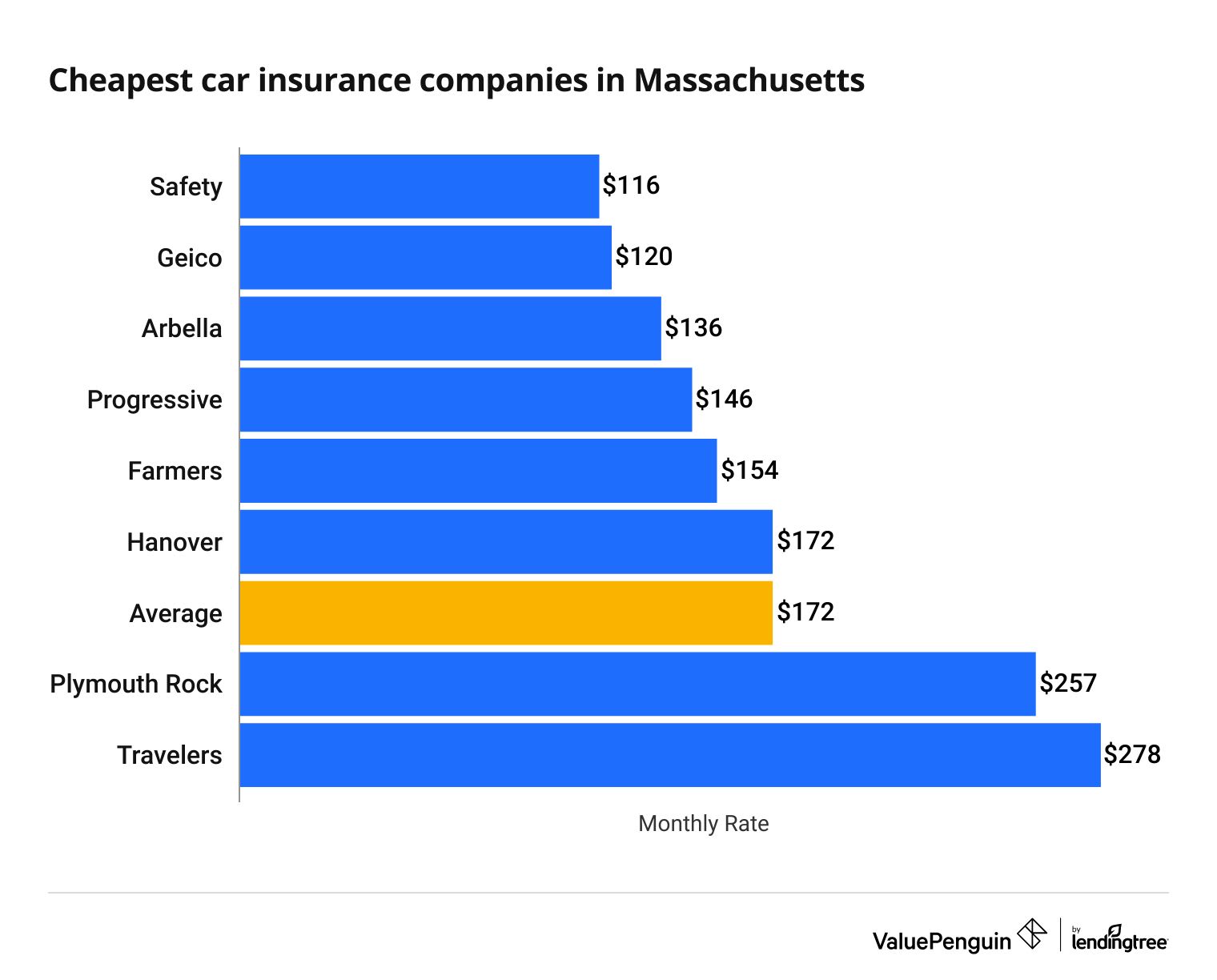
When it comes to auto insurance in Massachusetts, understanding the various coverage options is key to making an informed decision. Each type of coverage serves a unique purpose and comes with its own cost.
In Massachusetts, auto insurance policies typically include several types of coverage, each designed to protect you in different situations. The right combination of these options can provide comprehensive protection for both you and your vehicle.
Exploring Liability Coverage
Liability coverage is a fundamental part of any auto insurance policy. It covers the costs associated with injuries or damages you cause to others in an accident. In Massachusetts, this coverage is not just recommended—it’s required by law. The average cost for liability coverage in the state is around $800 annually.
Understanding Comprehensive and Collision Coverage
Beyond liability, drivers can opt for additional protection with comprehensive and collision coverage. Comprehensive coverage shields your vehicle from non-collision incidents such as theft or natural disasters. On average, comprehensive coverage costs approximately $150 per year.
Collision coverage, on the other hand, ensures that your vehicle is protected when involved in a collision, regardless of fault. The average cost for collision coverage in Massachusetts stands at about $500 annually.
Coverage Types and Their Costs
To help you visualize these different coverage options and their associated costs, here is a responsive table detailing the average expenses:
| Coverage Type | Description | Average Cost |
|---|---|---|
| Liability | Covers injury and damage costs to others when you’re at fault. | $800 |
| Comprehensive | Protects against non-collision incidents like theft or natural events. | $150 |
| Collision | Covers damage to your car from collisions, irrespective of fault. | $500 |
Choosing the right coverage is crucial for your peace of mind on the road.
Ways to Lower Auto Insurance Costs
Striking the perfect balance between comprehensive coverage and affordability is the holy grail of auto insurance. In Massachusetts, where insurance rates can be a significant financial burden, finding ways to trim down your premiums is essential. Luckily, with some strategic approaches, it’s entirely possible to drive down those costs without sacrificing necessary protection.
By understanding the multitude of factors that contribute to insurance pricing, you can unlock new opportunities to save. Whether it’s through strategic policy adjustments or wisely leveraging available discounts, there are several practical steps you can take to ensure you’re getting the best possible deal.
Unlocking the Power of Discounts
Discounts are one of the most straightforward and effective ways to reduce your auto insurance costs. Insurance providers often offer a wide array of discounts that can significantly lower your premiums. Understanding and taking advantage of these can help you save considerably over time. Here’s a breakdown of the types of discounts you might be eligible for:
- Safe Driver Discount: Maintain a clean driving record without accidents or tickets.
- Multi-Policy Discount: Bundle your auto insurance with other policies like homeowners or renters insurance.
- Good Student Discount: For young drivers who maintain a high GPA.
- Low Mileage Discount: Drive less than the average number of miles per year.
- Vehicle Safety Features Discount: Equip your car with safety features such as anti-lock brakes or anti-theft devices.
Improving Eligibility for Lower Rates
Enhancing your eligibility for better rates involves proactive steps that improve your risk profile in the eyes of insurers. By making certain changes, you can position yourself as a lower risk candidate, thus qualifying for reduced rates:
- Maintain a Good Credit Score: Insurers often consider your credit history as a factor in determining premiums.
- Review Coverage Annually: Regularly assess your policy to ensure you’re not paying for unnecessary coverage.
- Attend Defensive Driving Courses: Completing these courses can sometimes lead to discounts.
- Opt for Higher Deductibles: Increasing your deductible can lower your monthly premium.
- Shop Around: Compare quotes from multiple insurers to find the most competitive rate.
Impact of Legislation on Insurance Prices
State legislation plays a crucial role in shaping the landscape of auto insurance costs in Massachusetts. The laws enacted by the state government can either drive premiums up or help reduce them, affecting every driver on the road.
Understanding these legislative changes is vital, as they can directly impact your wallet. Massachusetts, known for its stringent auto insurance regulations, provides an intriguing case study on how legal frameworks influence insurance pricing.
State Regulations and Their Influence
In Massachusetts, regulations require all drivers to carry specific types of insurance, such as liability and personal injury protection. These mandates ensure that the basic needs are met but can also raise costs for drivers. Recent legislative changes have focused on cracking down on insurance fraud, which aims to reduce unnecessary claims and stabilize premium rates.
Recent Legislative Changes
Recent reforms in Massachusetts have introduced new fraud detection measures and stricter penalties for fraudulent claims. These legal adjustments are projected to decrease fraudulent activities, potentially leading to lower overall insurance costs for consumers. The implementation of these laws has made insurers more confident in offering competitive rates, benefiting careful and honest drivers.
Future Legislative Proposals
Looking ahead, legislative proposals under consideration could further impact insurance costs. Discussions around introducing a more transparent pricing system are ongoing, with the aim to make understanding and comparing insurance quotes easier for consumers. Additionally, proposals to incentivize the use of telematics and usage-based insurance could personalize rates more effectively, rewarding safer drivers with lower premiums.
“Future legislative changes will be pivotal in shaping competitive and fair insurance markets.”
Demographic Influences on Insurance Premiums
In the intricate world of auto insurance, demographics play a pivotal role in shaping the premiums that drivers face. Massachusetts, known for its diverse population, offers a prime example of how age, gender, marital status, and even credit scores can influence these costs.
Understanding these factors not only demystifies your insurance bill but also empowers you to make informed decisions as a consumer.
Age and Gender: The Dynamic Duo
When it comes to setting premiums, age and gender are two demographic factors that insurers traditionally rely on, due to their correlation with risk. In Massachusetts, younger drivers often face higher premiums due to their limited driving experience and higher accident rates. As experience grows with age, premiums typically decrease. Gender, too, plays its part. Statistically, young male drivers tend to pay more than their female counterparts, reflecting historical data associating them with higher risk.
Marital Status and Credit Score: Unveiling Hidden Influences
Your relationship status does more than determine your Facebook profile setting; it can impact your insurance premiums. In Massachusetts, married drivers are often perceived as more stable and risk-averse, potentially leading to lower insurance costs. Meanwhile, your credit score acts as a silent influencer. A robust credit score can signal financial responsibility, earning you more favorable rates. Conversely, a lower score might hint at financial instability, prompting insurers to raise premiums.
“In Massachusetts, a person with a good credit score pays an average of 70% less on premiums compared to someone with poor credit.”
Conclusion
As you navigate the twists and turns of auto insurance in Massachusetts, remember that knowledge is your best ally. Whether it’s understanding the impact of legislation or tapping into discounts, every detail counts. Stay proactive and informed, and you’ll find yourself not just saving money, but also gaining peace of mind. So, buckle up and drive into a future of smarter insurance choices, because you’re now equipped to turn the road ahead into a journey of savings and security.
