Welcome to the world of small business insurance—where protection meets peace of mind. Imagine your business as a ship navigating the unpredictable seas of commerce. Now, think of insurance as your sturdy, reliable life jacket. It’s not just an option; it’s the safeguard that ensures your journey continues smoothly, no matter what storms may come your way.
When you’re a small business owner, every decision matters. From the coffee vendor you choose to the insurance policy you select, each choice impacts your business’s future. In this guide, we’ll unravel the complex world of small business insurance, helping you make informed decisions with creative flair and persuasive insights. Let’s dive into the sea of options and find the perfect policy that keeps your dreams afloat.
Overview of Small Business Insurance
Running a small business comes with its own set of challenges and uncertainties. Small business insurance acts as a protective shield, safeguarding your hard-earned assets and ensuring that unexpected events won’t disrupt your journey to success.
Small business insurance is a comprehensive safety net designed to protect your business from potential risks and liabilities. It encompasses various types of coverage, each tailored to address different aspects of your business operations. Understanding the nuances of these policies can be a game-changer for any entrepreneur.
Types of Coverage in Small Business Insurance Policies
Most small business insurance policies offer a blend of coverage options that can be customized to fit the unique needs of your business. Here’s a closer look at some of the typical inclusions:
- General Liability Insurance: This covers legal hassles due to accidents, injuries, and claims of negligence.
- Property Insurance: Protects your building and equipment from damage due to events like fire or theft.
- Workers’ Compensation Insurance: Provides benefits to employees for work-related injuries or illnesses.
- Business Interruption Insurance: Compensates for lost income if your business operations are halted due to a covered event.
Key Benefits of Small Business Insurance
Investing in small business insurance is not just about compliance; it’s about securing peace of mind. By having the right policy, you can:
| Benefit | Description |
|---|---|
| Risk Mitigation | Insurance minimizes the financial impact of unforeseen events, allowing you to focus on growth. |
| Business Credibility | Insurance enhances your business’s credibility, making it more attractive to clients and investors. |
| Employee Security | With policies like workers’ compensation, you show a commitment to employee welfare. |
| Legal Protection |
|
Key Factors to Consider When Comparing Insurance Policies
In the dynamic world of small business, choosing the right insurance policy is an integral step towards safeguarding your enterprise. The process requires a keen eye for detail and a strategic approach to ensure you’re getting the best protection for your investment.
Understanding the nuances of small business insurance can make all the difference in providing peace of mind and financial security against unforeseen circumstances. Let’s dive into the critical factors that should guide your decision-making process.
Critical Influences on Insurance Selection
When selecting an insurance policy, several pivotal factors should guide your decision. Business type and industry risks are primary considerations, as they dictate the level of coverage needed. Additionally, factors such as liability limits, policy exclusions, and the insurer’s reputation play a significant role in shaping your choice. It’s essential to align these factors with your business goals and risk tolerance.
Impact of Policy Limits on Business Operations
Policy limits define the maximum amount an insurer will pay for covered losses. Having adequate limits is crucial to ensure your business can recover from significant claims without financial strain. Insufficient limits could result in out-of-pocket expenses that might jeopardize your operations. Evaluate potential risks meticulously and select limits that reflect the true exposure of your business.
Assessing Premium Costs Relative to Coverage
Insurance premiums are a recurring expense that can impact your bottom line. To ensure you’re getting the best value, compare the premium costs against the scope of coverage provided. A lower premium might seem attractive initially, but it could mean less comprehensive coverage. Conversely, a higher premium could offer extensive protection. Balancing cost and coverage is key to a sustainable insurance plan.
Consider the following table, which artikels how deductible amounts vary across different policies, affecting both premium costs and out-of-pocket expenses.
| Policy Type | Deductible Amount | Premium Cost |
|---|---|---|
| General Liability | $500 | Moderate |
| Professional Liability | $1,000 | High |
| Commercial Property | $750 | Low |
By methodically analyzing these factors, small business owners can make informed decisions that protect their assets while supporting operational growth.
Types of Coverage Available for Small Businesses
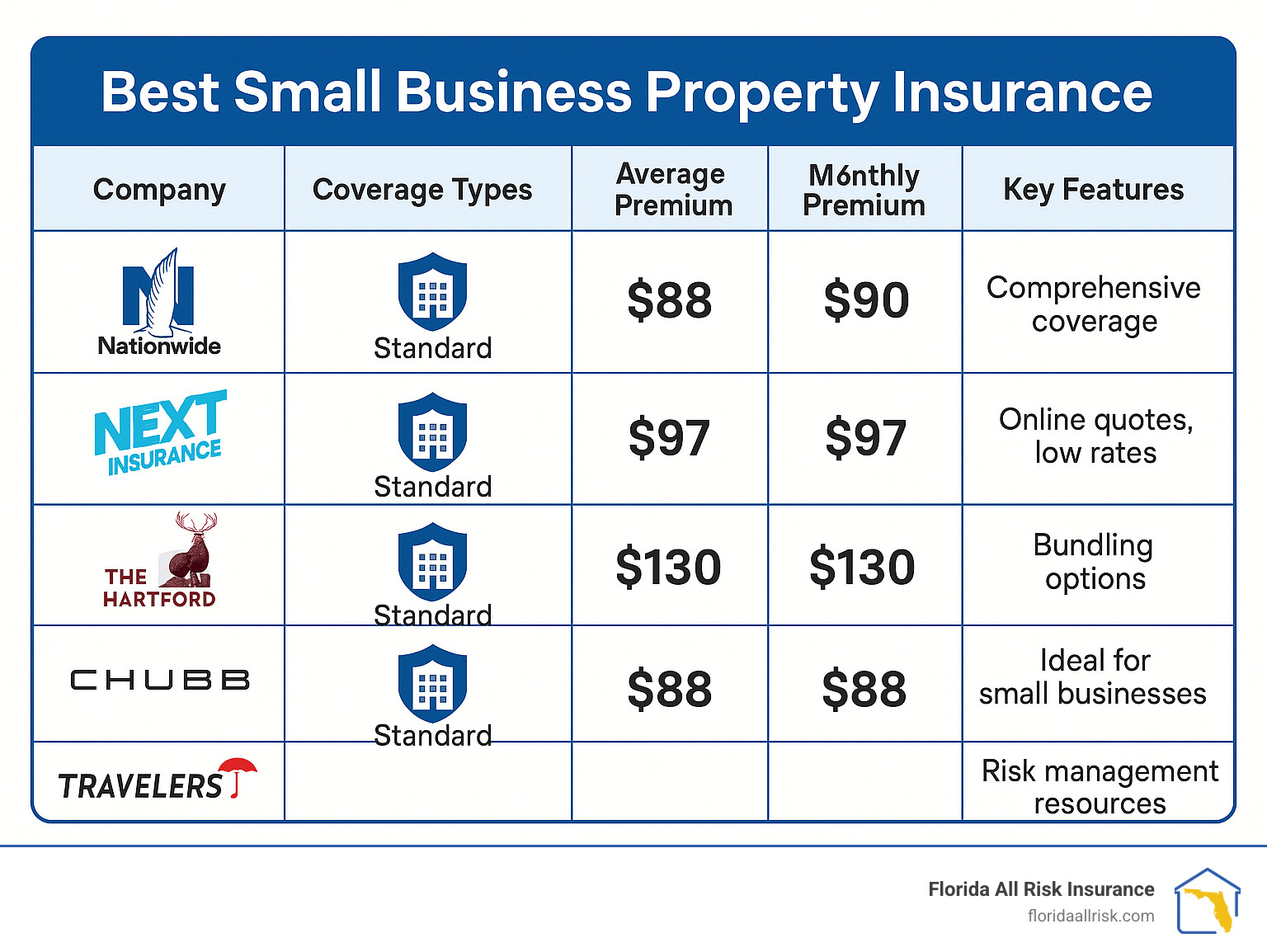
Navigating the world of insurance can be daunting for small business owners. With the right coverage, you can protect your business from the unexpected and ensure its longevity. Let’s delve into the types of coverage that can shield your enterprise from potential pitfalls.
Understanding the various insurance options available is crucial for any small business owner. From safeguarding your property to protecting against liabilities, each type of coverage serves a specific purpose. Choosing the right mix of policies can make a significant difference in managing risks and securing peace of mind.
Liability, Property, and Workers’ Compensation Coverage
Ensuring your business is equipped with the proper insurance begins with understanding the core coverages available:
- Liability Insurance: Provides protection against claims resulting from injuries and damages to people or property. It’s a must-have for any business that interacts with customers, clients, or the public.
- Property Insurance: Covers damage to your business’s physical assets, like your building, equipment, or inventory, caused by events such as fire, theft, or natural disasters.
- Workers’ Compensation: This coverage is designed to offer benefits to employees who are injured or become ill as a result of their job. It’s often required by law, depending on the state and size of the business.
Coverage Comparisons Among Top Providers
When choosing an insurance provider, it’s essential to compare the coverage options they offer. This enables you to find the best fit for your business needs. Here’s a snapshot comparison among leading insurers:
| Insurance Provider | Liability Coverage | Property Coverage | Workers’ Compensation |
|---|---|---|---|
| Provider A | $1 million per occurrence | Includes natural disaster coverage | Standard state requirements |
| Provider B | $2 million aggregate | Add-on for equipment breakdown | Enhanced medical benefits |
| Provider C | Customizable limits | Comprehensive property package | Optional payroll integration |
Pros and Cons of Bundling Coverages
Bundling multiple coverages under one policy can be an attractive option for small business owners seeking simplicity. However, it’s important to weigh the benefits and drawbacks:
Bundling can often lead to discounts, making it a cost-effective choice for many businesses. But beware, as it might limit flexibility in customizing individual coverages.
Bundling policies with a single provider can streamline the management of premiums, claims, and renewals. This can result in a significant reduction in administrative hassle and potential cost savings. However, keep in mind that sticking to one insurer might limit your ability to shop around for better deals on individual coverages. Essentially, the key is to evaluate whether the convenience and potential savings outweigh the need for tailored coverage solutions.
Comparing Top Small Business Insurance Providers
Choosing the right insurance provider is a critical decision for safeguarding your small business. With so many options available, it can be overwhelming to determine which provider offers the best combination of coverage, cost, and customer service. Let’s delve into a comparative analysis of the leading small business insurance providers to help you make an informed choice.
Below is a detailed table showcasing the top small business insurance providers, highlighting their coverage details, customer ratings, and premium costs. This comparison aims to equip you with the essential information needed to select a provider that aligns with your business needs.
Top Providers and Their Offerings
Each provider brings its own unique features and benefits to the table. It’s essential to understand these nuances to choose a policy that not only fits your budget but also provides the comprehensive protection your business deserves.
| Insurance Provider | Coverage Details | Customer Ratings | Premium Costs |
|---|---|---|---|
| Provider A | General Liability, Property, Workers’ Compensation | 4.8/5 | $500/year |
| Provider B | Professional Liability, Cyber Insurance | 4.6/5 | $450/year |
| Provider C | Business Owner’s Policy (BOP), Commercial Auto | 4.7/5 | $550/year |
Unique Features and Benefits
Let’s explore the unique features and benefits offered by each provider that set them apart from the competition:
- Provider A: Offers a comprehensive risk assessment tool for business owners to tailor their coverage precisely to their needs.
- Provider B: Provides a dedicated cyber incident response team to manage cyber threats effectively.
- Provider C: Includes roadside assistance and rental reimbursement in their commercial auto policies at no extra cost.
Insights on Customer Service and Claim Processing
Your experience with an insurance provider heavily depends on their customer service and efficiency in processing claims. Here are some insights to consider:
Provider A is renowned for its 24/7 customer support and swift claims processing, ensuring peace of mind for business owners.
Provider B stands out with their personalized service, offering dedicated account managers for each client, leading to a more tailored service experience.
Provider C is praised for their fast response time in claims processing, often resolving claims within 48 hours.
Methods for Assessing the Best Insurance Policy for Your Business
Choosing the right insurance policy for your small business can feel like navigating a labyrinth. With various factors to consider, it’s crucial to adopt a systematic approach to find the best fit for your needs.
Understanding the unique requirements of your business based on its size and industry will help streamline the process. Here are some strategies to guide you through this essential decision-making procedure.
Evaluating Insurance Policies Based on Business Size and Industry
Every industry has its own set of risks and challenges. To pinpoint the right insurance policy, you must first consider your business’s specific circumstances. For instance, a tech startup might prioritize cyber liability insurance, whereas a retail store might focus on general liability coverage. Taking your business size into account is equally important; a larger company may require more comprehensive coverage, while a smaller business might need only the essentials.
Here’s a structured way to match your business profile with the right policy:
- Identify industry-specific risks and necessary coverages.
- Consider the scale of your operations to determine coverage limits.
- Consult industry associations for recommended insurance types.
Leveraging Online Tools and Resources for Policy Comparison
With the digital age at our fingertips, several online platforms can assist you in comparing insurance policies quickly and effectively. These resources streamline the process, saving you time and potentially money.
Here’s how you can make the most of these tools:
- Use insurance comparison websites to view multiple quotes side-by-side.
- Check customer reviews and ratings to gauge insurer reliability.
- Utilize online calculators to estimate premiums based on your coverage needs.
“Comparison is the thief of joy,” but not when it comes to insurance policies!
Step-by-Step Guide to Analyzing Policy Terms and Conditions
The fine print is where the devil hides. Analyzing policy terms and conditions is a critical step in assessing your options. Don’t let complex jargon discourage you from understanding exactly what you’re signing up for.
Follow this guide to make sense of policy details:
- Read the entire policy document—yes, every page.
- Highlight key terms such as “coverage,” “exclusions,” and “limitations.”
- Cross-reference with your identified business risks to ensure coverage alignment.
- Consult with an insurance broker or legal advisor for any ambiguities.
Remember, clarity is your best ally in securing the right protection for your business.
Case Studies of Businesses Choosing the Right Insurance Policies
In the world of small business, choosing the right insurance policy can often feel like navigating a labyrinth. Yet, a few wise entrepreneurs have emerged victorious, securing policies that shield their businesses from uncertainties while fostering growth and stability. Through these case studies, we discover how these small businesses strategically selected insurance policies that fit their unique needs and how these choices influenced their business operations.
Examining real-world examples provides valuable insights into the decision-making processes that successful small businesses use to select insurance coverage. By understanding the factors they prioritized and the outcomes of their choices, other entrepreneurs can learn to tailor their own insurance decisions effectively.
Florist Shop Finds the Perfect Petal Protection
One inspiring example comes from Bloom & Thrive, a quaint florist shop nestled in a bustling neighborhood. When the shop faced the challenge of choosing between multiple insurance options, the owner prioritized coverage for property damage and product liability, knowing the value and fragility of their floral arrangements. By opting for a policy that had specialized provisions for perishable goods and customer-related claims, they ensured uninterrupted operations even amidst unforeseen mishaps.
After implementing their chosen policy, Bloom & Thrive experienced peace of mind during a particularly stormy season. The decision to prioritize comprehensive property damage coverage paid off when a severe storm caused minor flooding. The insurance policy covered the damages, allowing the shop to quickly replace affected inventory and continue serving their loyal customers without a hitch.
Tech Startup Secures Cyber Liability Coverage
In the fast-paced realm of technology, a startup named InnovateTech realized the critical importance of cyber liability insurance. With a primary focus on developing innovative software solutions, the founders understood the potential risks associated with data breaches and cyber threats. During their policy selection process, they reviewed options that emphasized robust data protection and cyber attack response strategies.
Eventually, InnovateTech chose a policy offering extensive cyber liability coverage, complete with access to a team of cybersecurity experts and crisis management support. This decision proved invaluable when the startup faced an attempted cyber intrusion. Thanks to the swift response facilitated by their insurance policy, InnovateTech mitigated the attack’s impact, safeguarding sensitive client information and preserving their reputation in the industry.
Closure
As we anchor our journey into the depths of small business insurance, remember this: the right policy is not just a safety net but a powerful ally in your business’s success story. Whether you’re a budding entrepreneur or a seasoned business owner, choosing wisely can be the difference between smooth sailing and turbulent waters. So, grab the reins, compare your options, and secure the future of your enterprise with confidence. Let’s make insurance not just a necessity, but an empowering tool for your thriving business.

