In the vibrant world of insurance, where the unexpected can happen at any moment, having a steadfast ally by your side is invaluable. Imagine a scenario where your concerns are not just heard but addressed with agility and empathy. This is precisely the promise and potential of exemplary customer service in the insurance industry.
As we delve into the role of customer service at Allstate in Warwick, RI, you’ll discover how these interactions are not merely transactional but transformational. They build trust, ensure satisfaction, and foster loyalty among clients. Join us on this journey as we unravel the threads of connection that make Allstate a beacon of reliability and support in times of need.
Importance of Customer Service in Insurance
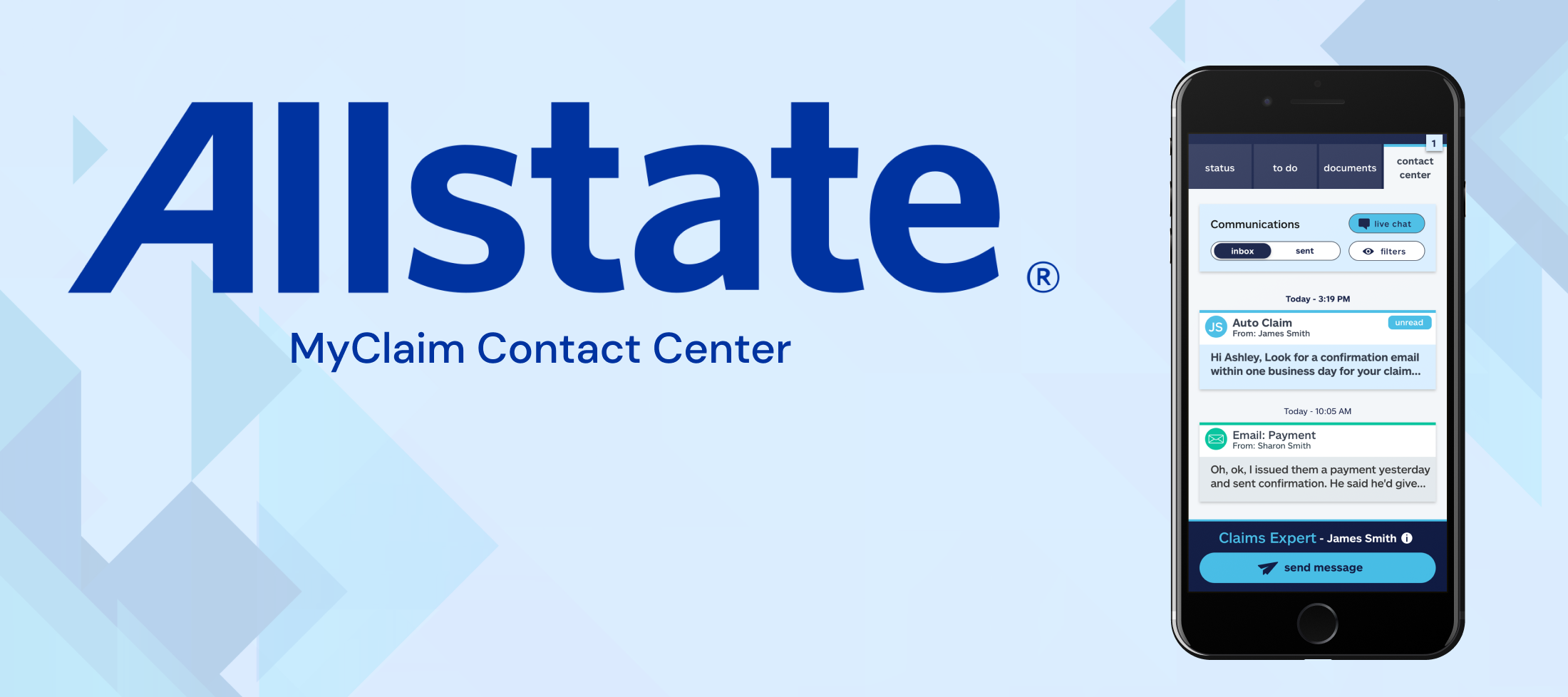
In the intricate world of insurance, where trust and reliability are paramount, customer service plays a pivotal role. It serves as the bridge between complex policies and comprehensive client understanding.
Customer service in the insurance industry acts as a guiding force, simplifying the intricacies of policies and procedures for clients. It is essential in building trust, enhancing client satisfaction, and ensuring that customers feel valued and understood.
The Role of Customer Service in Client Retention
Customer service is the cornerstone of client retention in the insurance industry. When clients receive personalized and attentive service, it fosters a sense of loyalty and trust. This connection is crucial in an industry where policy details can be daunting and decisions have long-term financial implications. Exceptional service encourages clients to renew policies and even recommend the company to others.
- Providing clear explanations of policy terms and conditions.
- Offering timely and empathetic support during claims processes.
- Regularly updating clients on new product offerings and policy changes.
Excellence in Customer Service: Real-World Examples
Exemplary customer service in the insurance sector is about more than responding to inquiries; it involves going above and beyond standard expectations. For instance, an insurance company might employ a dedicated team to manage claims efficiently, ensuring that clients experience minimal stress during challenging times. Additionally, using advanced technology like AI-driven chatbots can provide instant support, showing clients that their time and concerns are valued.
“Exceptional customer service is the heart of client trust and retention in insurance.”
Contact Options for Allstate Warwick RI
Choosing the right method to reach out to Allstate’s customer service in Warwick, RI can be crucial for a seamless experience. Whether you’re looking for a quick response or a comprehensive discussion, understanding these options will guide you to the best choice.
With several ways to get in touch, each method offers its own benefits and conveniences. Let’s dive deeper into how you can connect with Allstate and make the most out of their exceptional customer service.
Methods of Contacting Allstate Warwick RI
Allstate provides multiple channels for customer inquiries, ensuring flexibility and convenience. Depending on your needs, you might prefer different contact methods. Here’s a look at the options available:
| Method | Details | Availability | Response Time |
|---|---|---|---|
| Phone | (401) 555-0123 | Mon-Fri: 8am – 6pm | Immediate |
| support@allstatewarwick.com | 24/7 | 24-48 hours | |
| In-Person | 123 Insurance Lane, Warwick, RI | Mon-Fri: 9am – 5pm | Varies |
Differences Among Contact Methods
Each contact method serves different purposes and can be chosen based on urgency and preference. Phone service is ideal for immediate concerns and direct communication, offering the fastest response time. For more detailed inquiries or less urgent matters, email provides the convenience of a written record and can be accessed at any time, though response times may vary. In-person visits allow for a more personalized service experience, ideal for comprehensive discussions or complex issues but require more time and planning.
“Your choice of contact method can significantly impact your service experience. Choose wisely based on your needs and preferences.”
In any case, Allstate strives to ensure that customer interactions are as smooth and satisfying as possible, regardless of the method chosen.
Common Customer Service Inquiries

In the realm of insurance, customer service is more than just a support system; it’s a lifeline for policyholders seeking clarity and assistance. At Allstate Warwick RI, we understand the common inquiries our customers may have and are prepared to provide comprehensive solutions.
Whether it’s navigating the intricate details of a policy or resolving a claim, our customer service team is equipped with the knowledge and tools to assist efficiently. Let’s explore some of the typical questions and how we address them.
Understanding Policy Details
One of the most common inquiries revolves around understanding the nuances of an insurance policy. Customers often seek clarification on the coverage they have purchased. Our team ensures that each aspect is clearly explained, from premium breakdowns to coverage limits. We use simple language and analogies to make complex terms accessible.
For instance, a customer might ask, “What exactly does my homeowner’s insurance cover?” A representative would then detail the protection against perils like fire, theft, or natural disasters, ensuring the customer understands their particular policy’s scope.
Efficient Claims Handling
When disaster strikes, the priority is to process claims smoothly and swiftly. Customers often inquire about the claims process, documentation requirements, and timeframes. Our customer service team provides step-by-step guidance on submitting claims, what documents to gather, and the expected timeline for resolution.
- A customer reports a car accident. We guide them on using the Allstate app for quick claim submission and follow up with a personal call to ensure their case is progressing smoothly.
Billing and Payment Concerns
Billing questions can often cause confusion, especially when it comes to understanding monthly statements or changes in premium rates. Our representatives are trained to handle such inquiries with patience and precision, ensuring that each customer comprehends their billing cycle and any adjustments made.
Consider a scenario where a policyholder inquires about a sudden increase in their premium. Our team would review their policy with them, explain factors that may have led to the change, such as increased risk or claims history, and discuss potential ways to optimize their coverage and payments.
“We strive to turn each customer interaction into a positive experience, ensuring clarity and support at every step.”
Best Practices for Resolving Insurance Queries

Dealing with insurance queries can sometimes seem daunting, but with the right approach, you can navigate this landscape with ease. At Allstate Warwick RI, we’re dedicated to ensuring your concerns are addressed smoothly and effectively.
Understanding how to efficiently address customer issues can save time and lead to quicker resolutions. Let’s delve into some strategies that can streamline this process.
Efficient Methods for Addressing Customer Issues
When you have a question or issue regarding your insurance, it’s important to be prepared and clear. Here are some tried-and-true methods to enhance the efficiency of your interactions with our customer service team:
- Gather Your Information: Have your policy number, claim details, and any previous correspondence ready. This will help us assist you faster.
- Be Clear and Concise: Clearly articulate your issue or question. Avoid unnecessary details that may complicate the discussion.
- Document Everything: Keep records of all communications, including emails and notes from phone calls. This can be invaluable if you need to refer back to previous interactions.
Steps for Resolving Claims Disputes and Policy Misunderstandings
Misunderstandings can occur, but they don’t have to cause lasting issues. By following these steps, you can work towards a resolution confidently:
- Review Your Policy: Before reaching out, take the time to review your policy. Understanding the terms can clarify many points of confusion.
- Contact Customer Service: Reach out to our dedicated team for clarification. They are trained to help resolve disputes and explain your policy in detail.
- Request a Written Explanation: If an issue isn’t resolved verbally, ask for a written explanation. This provides a clear reference and can aid in further discussions.
- Escalate If Necessary: If you feel your issue isn’t resolved, request to speak with a supervisor or consider mediation services.
Do’s and Don’ts for Contacting Allstate’s Service
Approaching customer service with the right mindset and preparation can significantly impact the outcome of your inquiry. Here’s a handy guide to help you make the most of your interaction:
| Do’s | Don’ts |
|---|---|
| Be polite and patient. | Avoid making assumptions about outcomes. |
| Take notes during calls. | Don’t ignore the advice of representatives. |
| Follow up as necessary. | Avoid contacting during peak hours if possible. |
“Your approach can turn a challenge into an opportunity for better understanding and service.”
Enhancing Customer Experience at Allstate Warwick RI
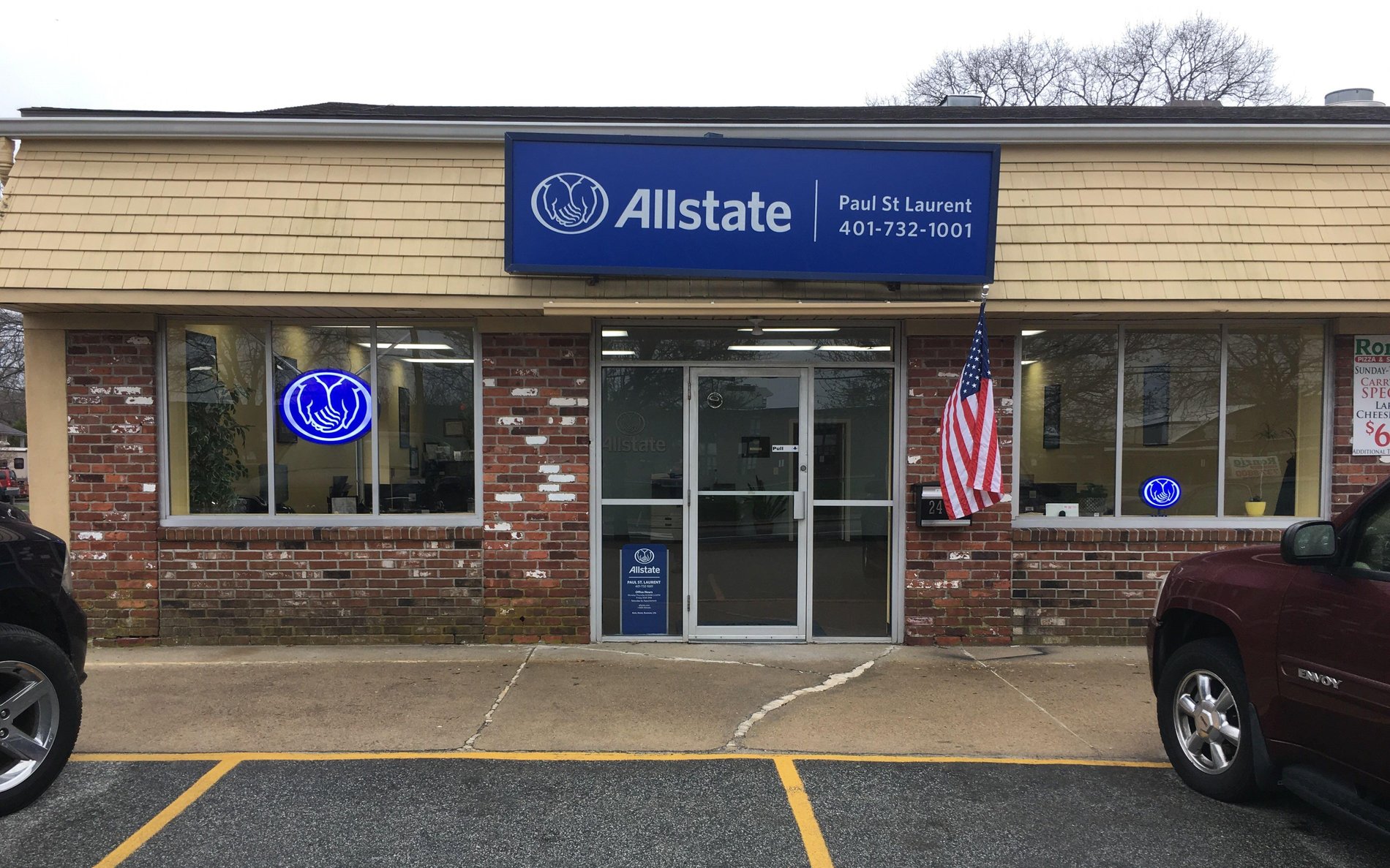
In the bustling world of insurance, a stellar customer experience sets the stage for trust and loyalty. At Allstate Warwick RI, we’re committed to refining every interaction, ensuring our customers feel valued, understood, and supported.
Our approach is twofold: strategically enhancing personal interactions and embracing technological advancements to streamline and enrich our services. With these efforts, we aim to craft an environment where customer satisfaction is not just met but exceeded.
Strategies for Improved Customer Interactions
To elevate our customer service, we implement several key strategies focused on empathy, efficiency, and empowerment. By training our team to actively listen, we ensure that every customer’s needs are fully understood and addressed. Empowering our representatives with autonomy to make decisions further enhances the speed and quality of service, reducing wait times and frustration.
- Offer personalized solutions through tailored policies and advice.
- Implement regular feedback loops to continuously refine our services based on customer inputs.
- Host community workshops to educate clients on policy options and claims processes, fostering a sense of inclusion and partnership.
The Role of Technology in Service Delivery
Incorporating technology into our service framework is pivotal in enhancing the customer experience. We leverage state-of-the-art digital platforms to ensure seamless communication and efficient service delivery. From AI-driven chatbots offering instant assistance to comprehensive mobile apps, technology empowers us to meet customer needs with precision and agility.
| Technology | Benefit |
|---|---|
| AI Chatbots | 24/7 availability for instant query resolution. |
| Mobile Applications | Easy access to account information and claims filing. |
| Data Analytics | Personalized recommendations based on customer profiles. |
“Allstate’s customer service is exceptional. From the moment I walk in, I feel heard and cared for. The attention to detail and willingness to go above and beyond truly sets them apart.” – A satisfied Allstate Warwick RI client
Training and Development for Customer Service Representatives

Empowering customer service representatives at Allstate Warwick RI is essential for maintaining a high standard of customer support. A robust training and development program ensures that every interaction is efficient, empathetic, and effective.
To achieve this, Allstate implements comprehensive training programs tailored to different aspects of customer service. These programs not only enhance technical skills but also focus on soft skills development, ensuring that representatives can handle any customer inquiry with confidence and care.
Comprehensive Training Modules
The training modules are designed to cover a wide range of skills necessary for success in customer service. From understanding insurance policies to mastering communication techniques, each module plays a vital role in building a knowledgeable and capable team.
| Training Module | Duration | Objectives | Outcome |
|---|---|---|---|
| Insurance Basics | 2 weeks | Understand fundamental insurance concepts | Confidently address customer queries about policies |
| Communication Skills | 1 week | Enhance active listening and response crafting | Improved customer satisfaction through effective dialogue |
| Advanced Problem Solving | 3 days | Develop techniques for complex issue resolution | Increased first-call resolution rates |
| Emotional Intelligence | 1 week | Recognize and manage customer emotions | Build rapport and trust with customers |
The Power of Ongoing Education
It’s crucial to note that training doesn’t conclude once initial modules are completed. Ongoing education and refreshers are vital for keeping representatives sharp and adaptable to new challenges. Regular workshops and seminars ensure that the team stays up-to-date with industry trends and changes in customer expectations.
“Continuous learning is the key to unlocking potential and fostering excellence in customer service.”
Through consistent training efforts, Allstate Warwick RI not only nurtures capable customer service representatives but also fortifies its reputation for exemplary customer care.
Final Thoughts
In conclusion, customer service is the heartbeat of the insurance experience at Allstate Warwick, RI. By embracing innovation, empathy, and consistency, we can redefine what it means to serve clients with excellence. Let us be reminded that each interaction is an opportunity to inspire confidence and deliver peace of mind. With Allstate by your side, you’re not just in good hands, you’re in great ones.

